What to Pack for St. Kitts & Nevis: The Year-Round Packing Guide
Packing for St. Kitts and Nevis is straightforward: light, breathable clothes, good sun protection, comfortable footwear, swimwear, mosquito repellent and a few practical extras for boat days and short tropical showers. The islands are warm all year, so the basics barely change from month to month. What does change is how much rain protection you want, whether you need an evening layer, and how smart your resort or festive outfits should be — and if you are travelling over the holidays, there is specific December packing advice further down this guide.
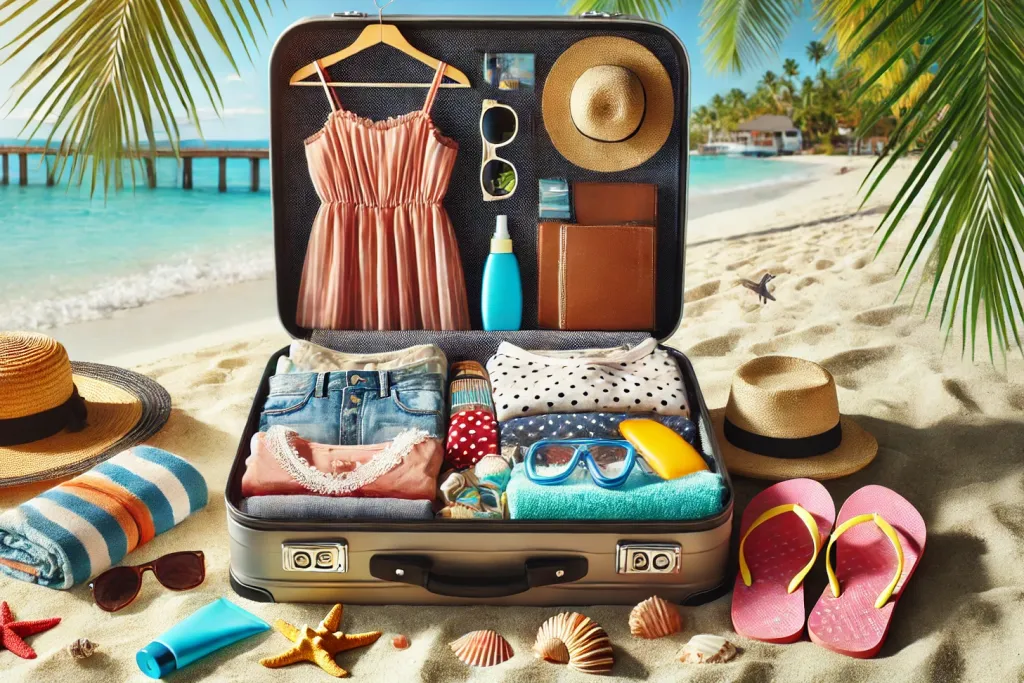
St. Kitts & Nevis packing list at a glance
- Lightweight cotton, linen or technical clothing
- Swimwear and a cover-up
- Sandals or flip-flops
- Comfortable walking shoes or trainers
- Reef-safe SPF 30+ sunscreen
- Hat and sunglasses
- Mosquito repellent
- Compact rain layer or small umbrella
- Small day bag
- Reusable water bottle
- Personal medication in its original packaging
- Phone charger and a power bank
- Dry bag or waterproof phone pouch for boat days
- Passport, booking confirmations and a little cash
What to wear in St. Kitts & Nevis
The dress code on both islands is relaxed, and the same few pieces will carry you from a morning on the beach to dinner at a resort.
Daytime
- Linen or cotton shirts, breezy tees and tank tops, plus light technical fabrics if you prefer them — anything that breathes and dries quickly.
- Shorts, skirts or lightweight trousers for sightseeing, Charlestown, plantation inns and casual beach restaurants.
- Swimwear with a cover-up or sarong for beach clubs, pool days and boat trips.
Evening & resort-smart
- Lightweight dresses, or a collared shirt with chinos or linen trousers — resort-casual is the norm at most restaurants and hotel dining rooms.
- Sandals or loafers rather than flip-flops for dinner.
- One light layer — a shirt, cardigan or shawl — for air-conditioned restaurants and the coastal breeze after dark.
Beachwear is perfectly normal at beaches, beach bars and pools. In Charlestown, Basseterre and the villages, though, locals dress for town, so slip on a top and shorts or a dress before you head in — it is simply the everyday norm, and you will feel more comfortable for it.
Footwear
- Sandals or flip-flops for the beach, the pool and around your accommodation.
- Comfortable trainers or walking shoes for Charlestown, historic sites and general sightseeing
- Proper trail shoes if you are hiking Nevis Peak, Mount Liamuiga or the rainforest trails — they are steep, rooty and often muddy. Our private island tours include guided hikes if you want a local lead.
- Water shoes (optional) for rocky shorelines, snorkelling from the beach or paddle sports. They are not needed for the main sandy beaches, so pack them only if those activities are on your list.
Beach, boat and water-taxi days
Most itineraries involve at least one boat — a catamaran day, a snorkelling trip or the water crossing between the two islands — so a little preparation keeps everything dry.
- Two swimsuits, so one is always dry and ready.
- Cover-up or sarong for the walk from the beach to the bar.
- Dry bag or waterproof phone pouch — sea spray on an open boat is normal, and a dry bag keeps documents, phones and cameras safe.
- Microfibre towel where your accommodation or excursion does not provide one.
- Rash guard or long-sleeve swim top for long snorkelling sessions.
- Motion-sickness bands or tablets if you normally use them; most crossings are short, but the sea can be lively.
- Snorkel mask (optional) — operators and resorts usually provide equipment, but your own mask is more comfortable if you snorkel often.
If your transfer includes the private water-taxi crossing from Reggae Beach to Oualie Beach on Nevis, the boat ride itself takes around 6–10 minutes and your luggage travels with you, so keep valuables in a bag you can hold on your lap and let the crew handle the suitcases. For a full comparison of the ferry, water-taxi and private-transfer options, see our guide to getting from St. Kitts to Nevis.
Sun protection
The Caribbean sun is strong all year, and the breeze makes it easy to underestimate.
- Reef-safe, broad-spectrum SPF 30+ sunscreen — the reef-safe part matters if you are snorkelling or diving.
- A wide-brimmed hat or cap.
- Polarised sunglasses to cut the glare off the water.
- A rash guard for long spells in the sea.
- Lip balm with SPF.
- Aloe or after-sun lotion if you normally use it.
Rain and tropical weather
Brief, passing showers can happen in any month — they usually blow through in minutes and the sun is back before you have found your umbrella. The later months of the year tend to be wetter than the spring, and the Atlantic hurricane season runs from June to November, so if you are travelling then it is worth giving rain protection a little more thought.
- A compact umbrella or a packable, lightweight rain shell — not a heavy waterproof.
- Quick-dry clothing so a shower never costs you the rest of the day.
- Avoid heavy fabrics such as thick denim; they take a long time to dry in humid air.
Mosquito repellent and a basic health kit
- Mosquito repellent — mosquitoes are most active around dawn and dusk and in shaded, leafy or rural areas. Apply it in the evening and on rainforest hikes.
- Bite-relief cream or gel.
- A small first-aid kit: plasters, antiseptic wipes, blister plasters and any everyday remedies you use at home.
- Electrolyte or rehydration sachets if you normally use them on active days in the heat.
- Personal medication in its original packaging, with enough for the whole trip plus a couple of spare days.
Pharmacies in Charlestown and Basseterre stock the basics, but specific brands can be hard to find, so bring anything you rely on.
Power, chargers and tech
- Power: 110V is standard on Nevis, though some private residences also provide UK-style 220V outlets — check with your accommodation and pack the matching adapter, plus a portable power bank.
- Phone charger and cables.
- Portable power bank for long beach or boat days away from your room.
- Waterproof phone pouch or case for the boat and the beach.
Documents, money and luggage
- Passport, plus a photo of it saved on your phone.
- Flight, accommodation and transfer confirmations — printed or saved offline.
- Travel insurance details where appropriate.
- Cards plus some small cash for taxis, tips, roadside fruit stalls and beach bars; not every small vendor takes cards.
- Check baggage allowances directly with your airline, especially if you are connecting onto a smaller regional aircraft.
Entry rules do change, so check our current travel requirements for St. Kitts & Nevis before you fly rather than relying on older articles. Landing at SKB with luggage? Book Nevis can coordinate the road and water transfer through to Nevis, with your bags handled from the arrivals hall to your accommodation. Our SKB to Nevis arrivals guide explains that journey step by step, and if you have already booked, the Welcome Hub walks you through arrival day.
What to Pack for St. Kitts & Nevis in December
December is one of the most popular months to visit, and packing for it means adding a few things to the year-round list rather than replacing it. Days are warm and breezy; evenings a touch cooler. Expect brief, passing showers. Pack breathable fabrics, quick-dry layers, and a compact umbrella or light poncho.
- Slightly cooler evenings — bring a light layer for resort restaurants and A/C.
- Short showers — quick-dry clothing and a packable rain layer help.
- Festive season — dining dress codes trend a little smarter at some venues.
Christmas, New Year and St. Kitts’ Sugar Mas carnival all fall in this window, so pack one smarter resort or festive outfit — a dress, or a shirt and trousers with loafers — for gala dinners, holiday events and the busier restaurants. Resorts and restaurants fill up over the holidays, so bring your reservations with you and book the popular tables before you arrive. If you are flying in from a cold climate, a warm layer for the airport at home is worth its space; UK travellers can see our BA Gatwick to SKB flight notes for the journey itself.
This section is only about what to bring. For what December is actually like — weather, events and why the islands shine in winter — read our St. Kitts and Nevis in winter guide.
Packing light and what not to bring
- Build a capsule: a handful of tops, two or three bottoms and one dress or smart shirt that all work together will cover a week or more.
- Choose pieces that move from day to night — a sundress that works at the beach bar and at dinner, shorts and a shirt that suit both sightseeing and a casual evening.
- Use the laundry where your accommodation offers it and pack fewer outfits.
- Limit shoes to one open pair and one closed pair unless you are hiking.
- Skip heavy clothing, thick denim and bulky jumpers — you will not wear them.
- Do not pack items your accommodation already supplies; most resorts and villas provide beach towels, hair dryers and basic toiletries, so check before you fill a bag with them.
- Leave a little space in your suitcase for the trip home.
Souvenir space
St. Kitts and Nevis are known for local rum, hot sauces, spices, batik fabrics and hand-carved wooden crafts, so leave some room for the return journey. A foldable tote or small duffel packed flat in your case is the easiest way to bring purchases home without paying for an extra bag.
Final packing checklist for St. Kitts & Nevis
- Lightweight tops, shorts, skirts or light trousers
- One smarter evening outfit and a light layer
- Two swimsuits and a cover-up
- Sandals, walking shoes and (if hiking) trail shoes
- Reef-safe SPF 30+, hat, polarised sunglasses, SPF lip balm
- Mosquito repellent and bite relief
- Compact umbrella or packable rain shell
- Dry bag or waterproof phone pouch, microfibre towel
- Small day bag and reusable water bottle
- Personal medication and a basic first-aid kit
- Phone charger, power bank and the right plug adapter
- Passport, confirmations, insurance details, cards and small cash
- Foldable bag for souvenirs
St. Kitts & Nevis packing FAQs
What should I wear in St. Kitts and Nevis?
Light, breathable clothing by day — linen or cotton shirts, tees, shorts, skirts and swimwear with a cover-up — and resort-casual in the evening: a lightweight dress or a collared shirt with chinos or linen trousers, plus one light layer for A/C. Beachwear is for the beach and pool; wear a top and shorts or a dress in town.
Do I need water shoes or a rain jacket?
Neither is essential. Water shoes are only useful for rocky shorelines or paddle sports, not the main sandy beaches. A compact umbrella or a light packable shell is enough for the brief showers that can pass through in any month — leave the heavy waterproof at home.
Is December a good month for St. Kitts & Nevis?
Yes — warm days, slightly cooler evenings, and short showers. Pack light layers, sun protection, and a compact umbrella.
What should I wear to resorts in the evening?
Resort-casual: breezy dresses or smart shirt and chinos. Add a light layer for A/C and coastal breeze.
Do I need a rain jacket in December?
Not heavy — just a light packable shell or poncho for brief showers.